
Blog
Notes on running a business
Short pieces on chasing payments, counting stock, planning cash and staying organised as you grow.
How to get overdue receivables under control
Knowing who owes what is not enough — you need to know how long it has been waiting.
Read postWhy your stocktake never matches
The problem is usually not the count itself, but the movements nobody recorded.
Read postWhen your records do not match the bank
Posting the statement straight into your books is not the fix — matching comes first.
Read postWhat to watch for when you switch software
A migration is judged by whether the balances match, not by how many records moved.
Read postCollateral or payment? The cheque distinction that skews your balances
Not every cheque you take closes a debt. Miss this distinction and you count money you have not collected.
Read postYou shipped half the order — what do you invoice?
Partial shipping means tracking two separate numbers: quantity left to ship and left to invoice. Confuse them and you over-ship or over-invoice.
Read postMarketplace sales are up — so where is the profit?
You see marketplace turnover; you do not see commission, shipping and return deductions until the settlement file arrives. That is where profit disappears.
Read postNothing new in a closed month: what a period lock is for
One invoice slipped into a month you have already filed makes your accountant redo the work.
Read postYour best seller may not be your best earner
Margin has to come from what that batch actually cost you, not from the sale price. The gap is usually a surprise.
Read post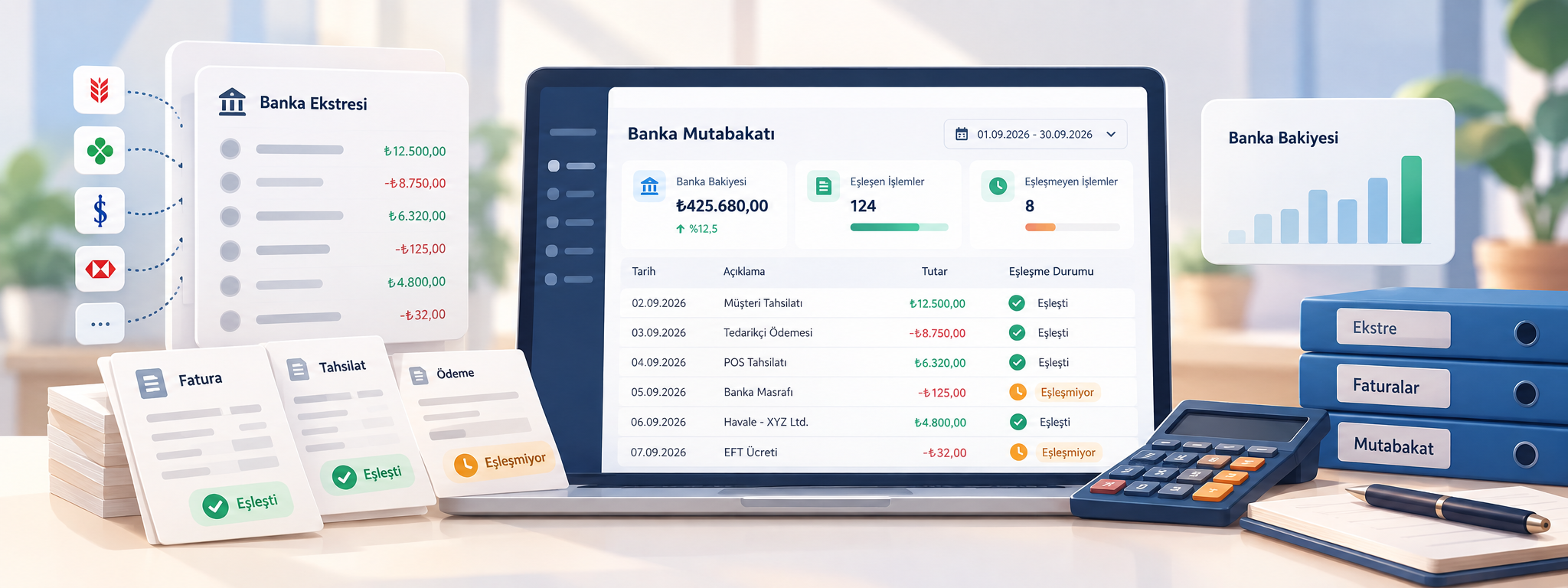 banka
What is bank reconciliation? How to match bank and accounting records
Your bank balance and accounting records may not always match. Bank reconciliation helps identify the reason for differences and keeps financial records clear and traceable.
Read post cari hesap
What is a customer account? How to track customer and supplier balances correctly
A customer or supplier account should show more than the total balance. It should explain which invoices, collections, payments and due dates created that balance.
Read post